
 tr
tr
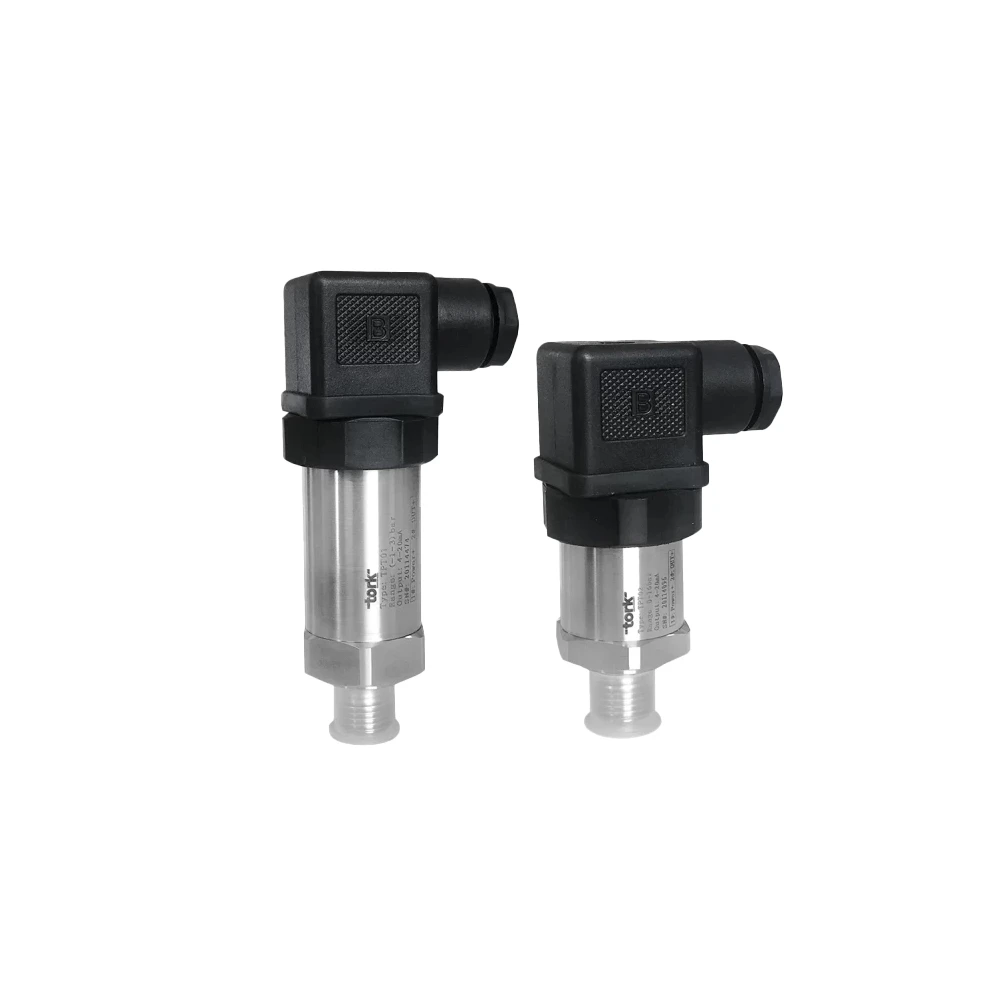
The Importance of Pressure Measurement: From Safety to Efficiency, a Critical Role
Pressure is a vital parameter in many industrial and everyday applications. It is invisible, yet its impact is powerful. That is why pressure measurement is not only a technical detail but also the cornerstone of safety, efficiency, and quality. So, why is pressure measurement so important? Let’s explore together.
1. The First Step to Safety: Accurate Pressure Monitoring
Many systems are designed to operate within specific pressure limits. When these limits are exceeded:
Boilers, tanks, and pipelines may face explosion risks,
Excessive pressure threatens the structural integrity of equipment,
Protective devices such as safety valves can only operate effectively with accurate measurement data.
In short, pressure measurement is not just information; it is the guarantee that the system is functioning properly.
2. Process Control and Operational Efficiency
In production lines, everything must remain under control. Especially in sectors such as chemicals, energy, food, and pharmaceuticals, continuous monitoring of pressure data ensures stable processes.
From reactors to filling machines, pressure control shows whether processes are running correctly,
The performance of pumps and compressors is evaluated based on pressure values.
As a result, product quality and continuity depend directly on pressure measurement.
3. Energy Savings and Cost Advantage
Systems operating at correct pressure values consume less energy and have a longer service life.
Excessive pressure leads to energy waste and equipment wear,
Low pressure causes insufficient system performance and disrupts production.
This means that with accurate pressure measurement, businesses can save on energy costs and reduce maintenance expenses.
4. Consistency in Quality: Maintaining Product Standards
Pressure directly affects the quality of the final product. For example:
In the food industry, packaging pressure determines product shelf life,
In the pharmaceutical sector, specific pressure levels are required to maintain sterile environments,
In the automotive industry, pressure is a critical control parameter in areas such as engine performance and fuel systems.
In short, stable pressure is essential for high-quality products.
5. Pressure in Health, Comfort, and Daily Life
Pressure is not limited to industry; it also plays a key role in homes, hospitals, and vehicles:
The safe use of oxygen tanks and medical gas systems depends on pressure,
Safety and efficiency in comfort devices like boilers and air conditioners are ensured through pressure sensors,
Incorrect tire pressure in vehicles increases fuel consumption and reduces driving safety.
6. Early Fault Detection and Proactive Maintenance
Sudden fluctuations in pressure values can signal system malfunctions. With this,
Operators can intervene immediately,
Unexpected downtimes can be avoided,
Planned maintenance becomes possible, ensuring production continuity.
Conclusion: A Small Value, a Big Impact
Pressure measurement is not just a technical detail—it is a control tool that influences everything from system safety to energy efficiency, product quality, and human health.
In modern industry, competitiveness and sustainability depend on the accurate management of such fundamental parameters. Therefore, with the right sensors, reliable transmitters, and regular calibration, pressure control must always remain a top priority.
