What Are Pulse Valve Diaphragms? The Critical Component That Determines Filter System Performance
The performance of pulse valves, considered the heart of dust collection and pulse jet filtration systems, largely depends on their hidden heroes: diaphragms. The proper direction of high-speed compressed air pulses during filter cleaning, achieving airtight sealing within milliseconds, and ensuring long service life of the valve are all directly related to diaphragm quality.
For this reason, pulse valve diaphragms are among the most critical spare parts in industrial facilities, helping reduce downtime and improve energy efficiency.
What Is a Pulse Valve Diaphragm and What Does It Do?
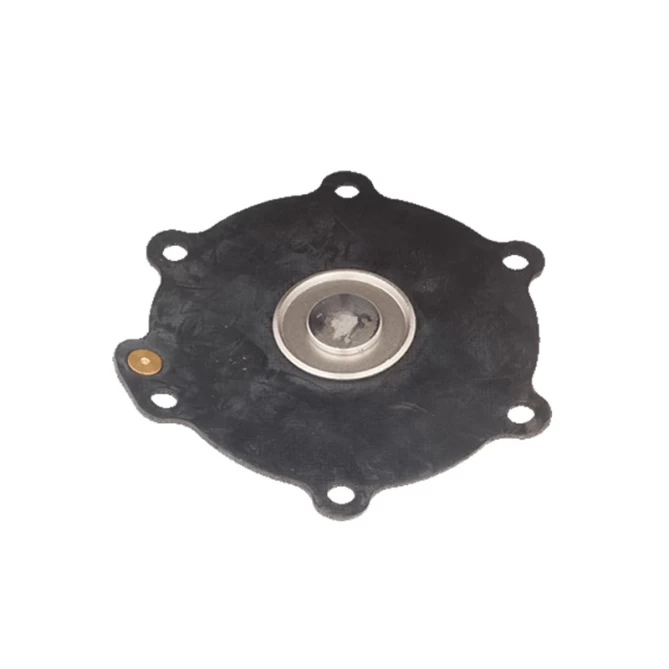
A pulse valve diaphragm is a flexible sealing element made of elastomeric or thermoplastic materials that controls, retains, and rapidly releases compressed air within the valve body.
Its primary functions include:
Millisecond Response Time
Converts compressed air into a powerful shock wave, initiating the pulse jet cleaning process.
High Sealing Performance
Prevents compressed air leakage when the valve is in the closed position.
Energy Savings
Ensures maximum filter cleaning efficiency with minimum compressed air consumption.
Keep in mind: A worn or low-quality diaphragm can significantly reduce filter cleaning efficiency and force compressors to operate continuously, directly increasing your energy costs.
Signs of Wear: Why and When Should Diaphragms Be Replaced?
Depending on operating conditions, pulse valves may perform millions of opening and closing cycles throughout their service life. Constant flexing eventually causes diaphragm materials to fatigue, harden, crack, or tear.
Common signs indicating diaphragm replacement include:
- Reduced filter cleaning efficiency
- Continuous compressed air leakage
- Increased compressor operating time
- Rising differential pressure across filters
- Visible cracks, tears, or deformation
- Unstable pulse valve operation
Replacing worn diaphragms before failure helps prevent unplanned downtime and costly maintenance interruptions.
The Future of Filtration Technology: Advantages of Thermoplastic Diaphragms
In modern filtration systems, thermoplastic diaphragms are rapidly replacing traditional rubber (NBR) diaphragms as the industry standard.
Key advantages include:
Significantly Longer Service Life
Exceptional resistance to mechanical fatigue allows operation through millions of cycles without tearing.
Stronger Pulse Performance
Outstanding elastic memory enables faster opening and closing, generating stronger cleaning pulses for more effective dust removal.
Wide Temperature Tolerance
Maintains reliable performance in both extremely cold weather conditions and high-temperature industrial processes.
Selecting the Right Diaphragm Material
The operating environment of your filtration system determines the most suitable diaphragm material.
NBR (Nitrile) Diaphragm
The standard choice for general industrial applications.
Advantages:
- Excellent compatibility with oily environments
- Suitable for standard compressed air systems
- Cost-effective solution
Viton (FKM) Diaphragm
Recommended for harsh process conditions involving aggressive chemicals and high temperatures.
Applications include:
- Cement kiln dust collection systems
- Foundries and metal processing plants
- Chemical production facilities
- High-temperature filtration systems above 150°C
Advantages:
- Superior chemical resistance
- Excellent thermal stability
- Extended service life in demanding environments
Thermoplastic Diaphragm
The preferred solution for modern pulse jet filtration systems with high cycle rates and extended maintenance intervals.
Advantages:
- Exceptional durability
- Reduced maintenance frequency
- Improved pulse performance
- Lower lifetime operating costs
Diaphragm Selection Checklist
Selecting the wrong replacement diaphragm can reduce valve performance and significantly increase maintenance costs.
Before purchasing or replacing a diaphragm, make sure the following parameters are clearly defined:
☐ Pulse valve brand, model, and connection size (e.g., 1" or 1½")
☐ Operating pressure of the compressed air system (bar)
☐ Temperature and chemical characteristics of the process gas
☐ Expected daily or monthly opening/closing cycle frequency

 tr
tr de
de pl
pl