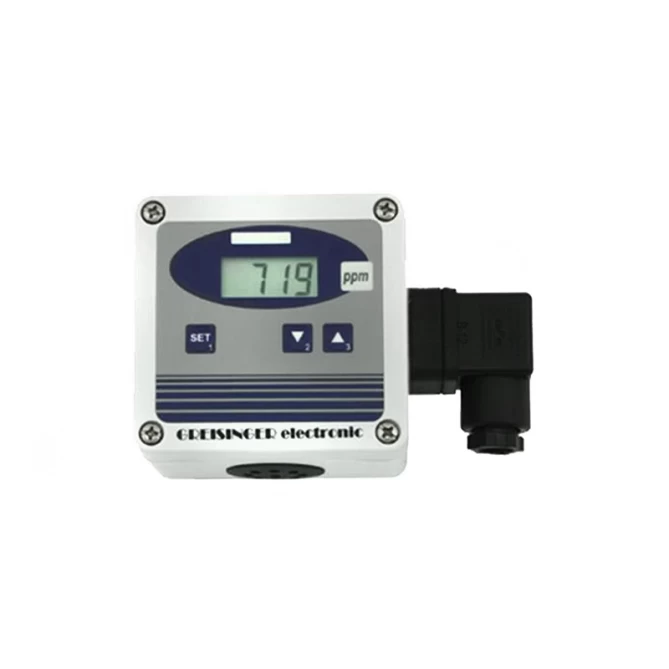
What Are CO and CO₂ Measurement Devices? Reliable Solutions for Industrial Gas Analysis
Today, continuous monitoring of air quality and gas concentrations is essential in a wide range of applications, from industrial facilities and commercial buildings to power plants and HVAC (Heating, Ventilation, and Air Conditioning) systems. Accurate measurement of carbon monoxide (CO) and carbon dioxide (CO₂) levels plays a critical role in employee safety, regulatory compliance, energy efficiency, and process control.
CO and CO₂ measurement devices analyze gas concentrations in ambient air with high precision, helping to create safe and efficient working environments. As indispensable components of industrial gas analysis systems, these devices are widely used across numerous industries.
Why Should CO and CO₂ Gases Be Measured?
1. Carbon Monoxide (CO): The Silent Danger
Carbon monoxide is a colorless, odorless, tasteless, and highly toxic gas. It is generated as a result of incomplete combustion of fossil fuels and industrial combustion processes. Due to its potentially fatal impact on human health, workplace exposure limits for CO are strictly regulated by organizations such as OSHA.
Critical Areas Where CO Monitoring Is Essential
- Boiler rooms and industrial kitchens
- Enclosed parking garages and logistics warehouses
- Power generation facilities and steel plants
- Mines and underground facilities
2. Carbon Dioxide (CO₂): An Indicator of Indoor Air Quality (IAQ)
Carbon dioxide is one of the most important indicators of indoor air quality in enclosed environments. Elevated CO₂ levels (typically above 1,000 ppm) can cause reduced concentration, headaches, fatigue, and a significant decline in workplace productivity.
How Do CO and CO₂ Measurement Devices Work?
Modern CO and CO₂ analyzers are equipped with advanced sensor technologies designed to withstand demanding industrial environments.
NDIR (Non-Dispersive Infrared) Technology
This technology is commonly used for CO₂ measurement and operates based on the gas's ability to absorb infrared light. It offers long service life, excellent stability, and high measurement accuracy.
Electrochemical Sensor Technology
Electrochemical sensors measure the electrical current generated when CO gas reacts within the sensor cell. This technology enables rapid detection of toxic gases even at very low ppm concentrations.
Integration Capabilities
Measurement data can be transmitted in real time to PLC, SCADA, and Building Management Systems (BMS) via industrial communication protocols such as 4–20 mA, RS485-Modbus, and Profibus. In emergency situations, these systems can automatically trigger alarm scenarios, such as activating ventilation fans.
Advantages of CO and CO₂ Measurement Devices
Accurate and Reliable Analysis
High-precision sensors minimize false alarms and ensure dependable gas monitoring.
Continuous 24/7 Monitoring
Constant gas concentration tracking enables early detection of hazardous conditions and potential leaks.
Maximum Energy Efficiency
In HVAC systems, demand-controlled ventilation based on CO₂ levels can achieve energy savings of up to 30%.
Occupational Health and Safety Compliance
Early detection of toxic gases helps prevent workplace accidents and supports compliance with safety regulations.
Key Factors When Choosing a Gas Measurement Device
When selecting a gas monitoring solution for your facility or project, consider the following criteria:
Sensor Lifetime and Calibration Convenience
Choose long-life sensor technologies that allow easy field calibration.
Resistance to Environmental Conditions
For dusty, humid, or hazardous areas, devices should provide high protection ratings (such as IP65/IP67) or ATEX certification.
Response Time (T90)
Fast response time is particularly critical for toxic CO monitoring, where hazardous conditions must be detected within seconds.
Output and Communication Protocol Options
The device should support analog or digital outputs that are fully compatible with existing PLC and BMS infrastructures.
Conclusion and Industry 4.0 Integration
In modern digitalized facilities, gas analysis instruments are no longer just measurement devices—they are key components of Industry 4.0-based data collection systems. Big Data generated by CO and CO₂ monitoring systems helps optimize energy management strategies, while cloud-based platforms enable remote monitoring, predictive maintenance, and enhanced operational efficiency.

 tr
tr de
de